目录
学习资源参考:
算法简介
计算机专家克雷格 · 雷诺兹在1987年发表了一篇关于模拟鸟类集群行为的论文,论文中首次介绍了名为 Boids 的算法,随后这种算法快速被应用于电影或者游戏中,比如92年《蝙蝠侠归来》的蝙蝠群和企鹅群,98年《半条命》中的鸟型生物群中。
Boids算法是一种去中心化思想,它负责描述每个个体的行为规则,而不关心所谓的“集群”。“集群”是它所表现出来的外观而非最小规则。对于每个个体,只遵循三条简单的规则:
- 分离规则:个体会自主移动避开拥挤处
- 对齐规则:个体会朝着周围同伴的平均移动方向前进
- 聚集规则:个体会朝着周围同伴的平均位置移动
规则详解
分离规则
集群中个体的一个关键行为就是向着远离周围其他个体的趋势运动,就像磁铁的同极相斥,离得越近这种斥力就会越大。这是个体间不会发生碰撞和重叠的基础。
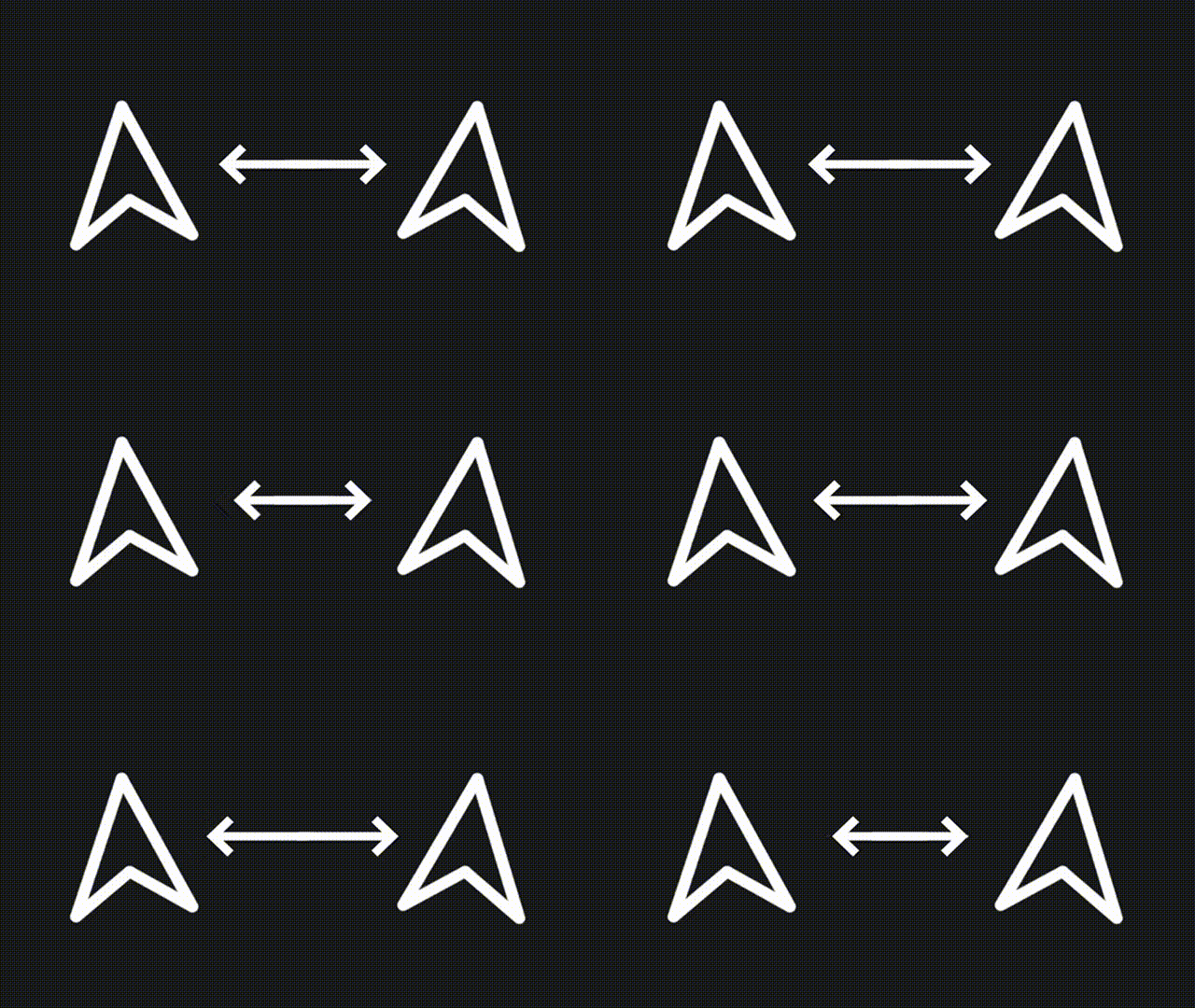
分离规则的代码可以这样写:
 1
 2
 3
 4
 5
 6
 7
 8
 9
10
11
12
13
14
15
16
|
// 分离规则
Vector2D separation(const std::vector<Boid>& boids)
{
    Vector2D separation(0, 0);
    for (const Boid& b : boids)
    {
        float distance = (b.position - position).length();

        if (distance > 0 && distance < separation_distance)
        {
            Vector2D diff = position - b.position;
            separation = separation + diff * (1.0f / distance);
        }
    }
    return separation;
}
|
对齐规则
“对齐”在群体模拟中起到了控制个体移动转向的作用。从直觉上,我们根据判断一个群体是否具有一致的行动朝向,来判断它是否是一个“集群”还是“乌合之众”。
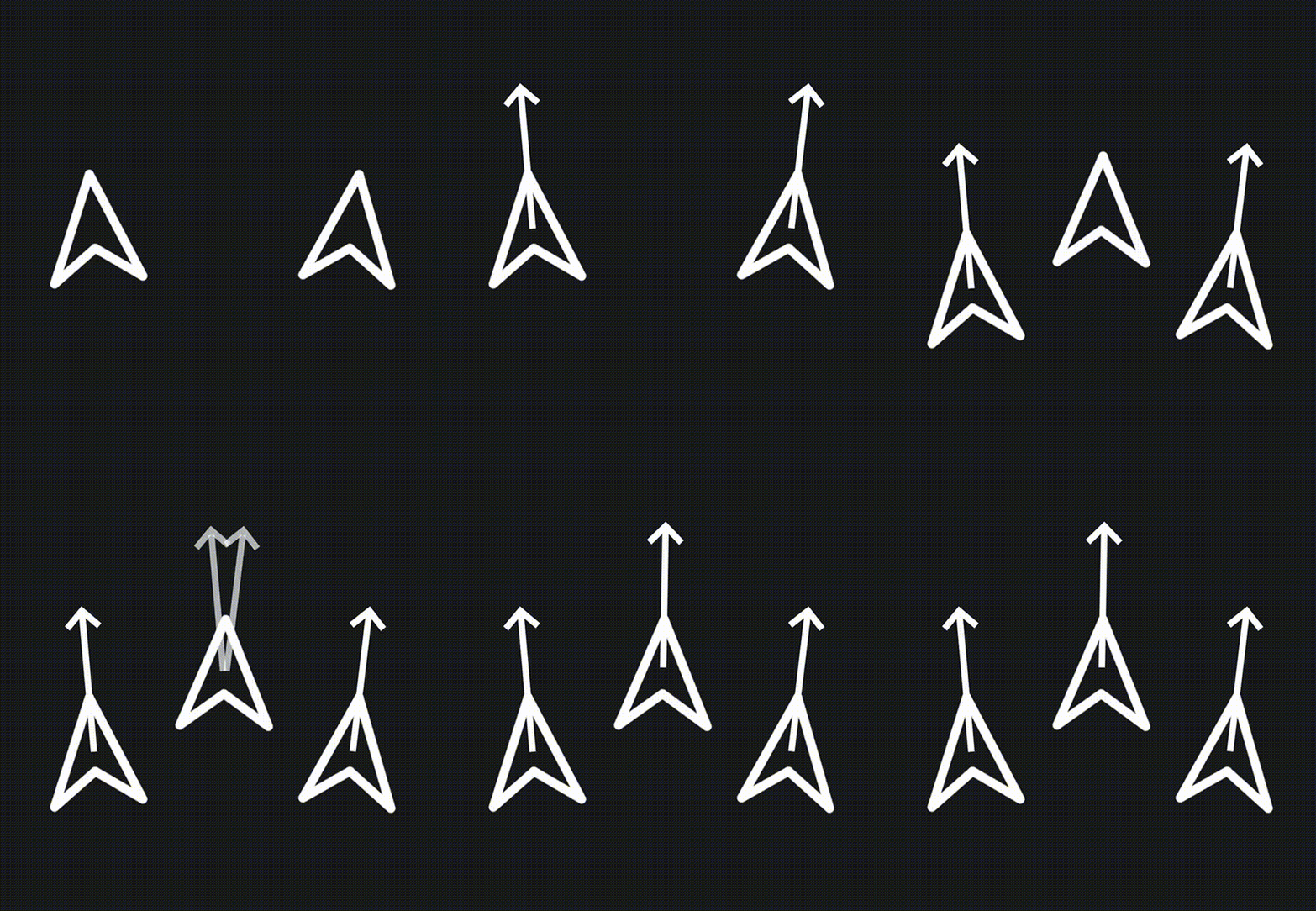
对齐规则可以这样实现:
 1
 2
 3
 4
 5
 6
 7
 8
 9
10
11
12
13
14
15
16
17
18
19
20
21
22
23
24
25
|
// 对齐规则
Vector2D alignment(const std::vector<Boid>& boids)
{
    Vector2D avg_velocity(0, 0);
    int total_neighbors = 0;

    for (const Boid& b : boids)
    {
        float distance = (b.position - position).length();

        if (distance > 0 && distance < neighbor_distance)
        {
            avg_velocity = avg_velocity + b.velocity;
            total_neighbors++;
        }
    }

    if (total_neighbors > 0)
    {
        avg_velocity = avg_velocity * (1.0f / total_neighbors);
        return avg_velocity - velocity;
    }

    return Vector2D(0, 0);
}
|
聚集规则
与分离规则相反,聚集规则是一种凝聚力,像磁铁的异性相吸。它保证了集群中的个体不会因为分离规则而过度分散,导致无法产生“邻居个体”。
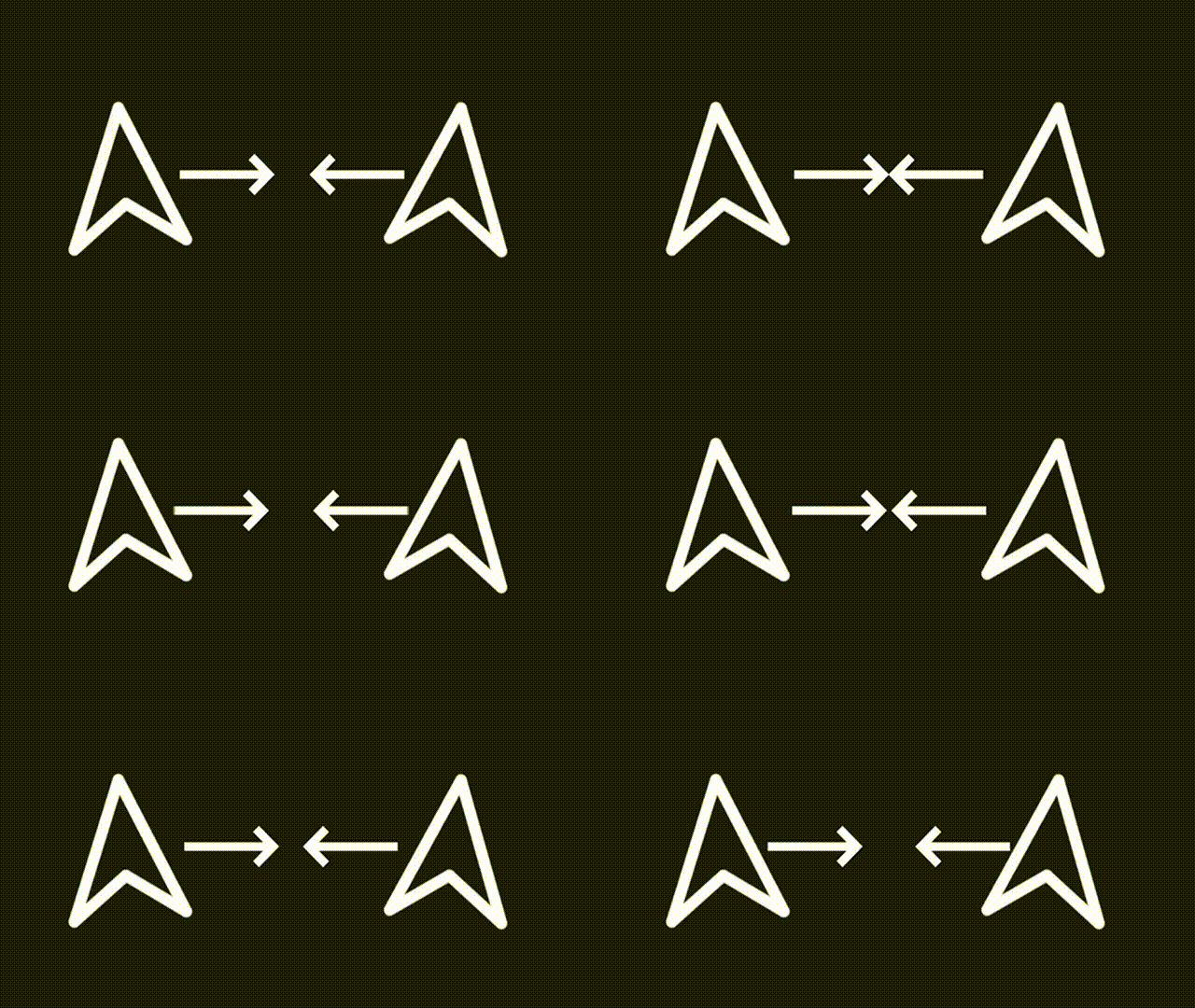
聚集规则的实现代码:我们先得到个体邻居包围得到的质心位置,然后让它拥有向着质心移动的趋势,从而产生聚集的效果。
 1
 2
 3
 4
 5
 6
 7
 8
 9
10
11
12
13
14
15
16
17
18
19
20
21
22
23
24
25
|
// 聚集规则
Vector2D cohesion(const std::vector<Boid>& boids)
{
    Vector2D center_of_mass(0, 0);
    int total_neighbors = 0;

    for (const Boid& b : boids)
    {
        float distance = (b.position - position).length();

        if (distance > 0 && distance < neighbor_distance)
        {
            center_of_mass = center_of_mass + b.position;
            total_neighbors++;
        }
    }

    if (total_neighbors > 0)
    {
        center_of_mass = center_of_mass * (1.0f / total_neighbors);
        return (center_of_mass - position);
    }

    return Vector2D(0, 0);
}
|
- 这三条规则互相博弈,仅依靠最基础的数学和向量运算,就让简单个体涌现出复杂的 群体智慧。
- 在不同情景下的集群模拟,本质上是对这三条规则的“参数微调”。比如鱼群,我们常需要模拟水中阻力导致的间距不规则,这可以通过降低“对齐规则”强度实现,让鱼群在拐弯时出现“尾部延迟”的真实感;如一些鼠群或者僵尸群,则可以加大“聚集规则”的权重,让怪群可以如流水般快速绕过障碍物;在一些需要打造较强科技感的场景中,我们可以让群体尽量保持尖锐的三角锥形态,这可以通过在聚集规则之上添加形状进行约束。
完整实现
实现思路和流程
创建 Boid 类
对于每一个个体而言,它需要三个成员变量:位置、速度和加速度,这三者都是一个二维向量(此项目实现2D图像Boids算法)。
于是 Boid 类可以这样写:
 1
 2
 3
 4
 5
 6
 7
 8
 9
10
11
12
13
14
15
16
17
18
19
20
21
22
23
|
// boid.js

class Boid
{
  constructor()
  {
    this.position = createVector(width / 2, height / 2);    // boid的位置
    this.velocity = p5.Vector.random2D();    				// boid的速度
    this.velocity.setMag(random(0.5, 1.5 ))  				// 设置群体中每个boid的速度不同
    this.acceleration = createVector();						// boid的加速度
  }

  update(){
    this.position.add(this.velocity);
    this.velocity.add(this.acceleration);
  }

  show(){
    strokeWeight(16);
    stroke(255);
    point(this.position.x, this.position.y);
  }
}
|
假设我们共有100个boid,那么在 sketch.js 中可以用一个数组来表示它们:
 1
 2
 3
 4
 5
 6
 7
 8
 9
10
11
12
13
14
15
16
17
18
19
|
// sketch.js

const flock = [];

function setup() {
  createCanvas(640, 360);
  for (let i = 0; i < 100; i++){
      flock.push(new Boid());
  }
}

function draw() {
  background(51);

  for (let boid of flock){
    boid.show();
    boid.update();
  }
}
|
现在可以看到这样的效果:
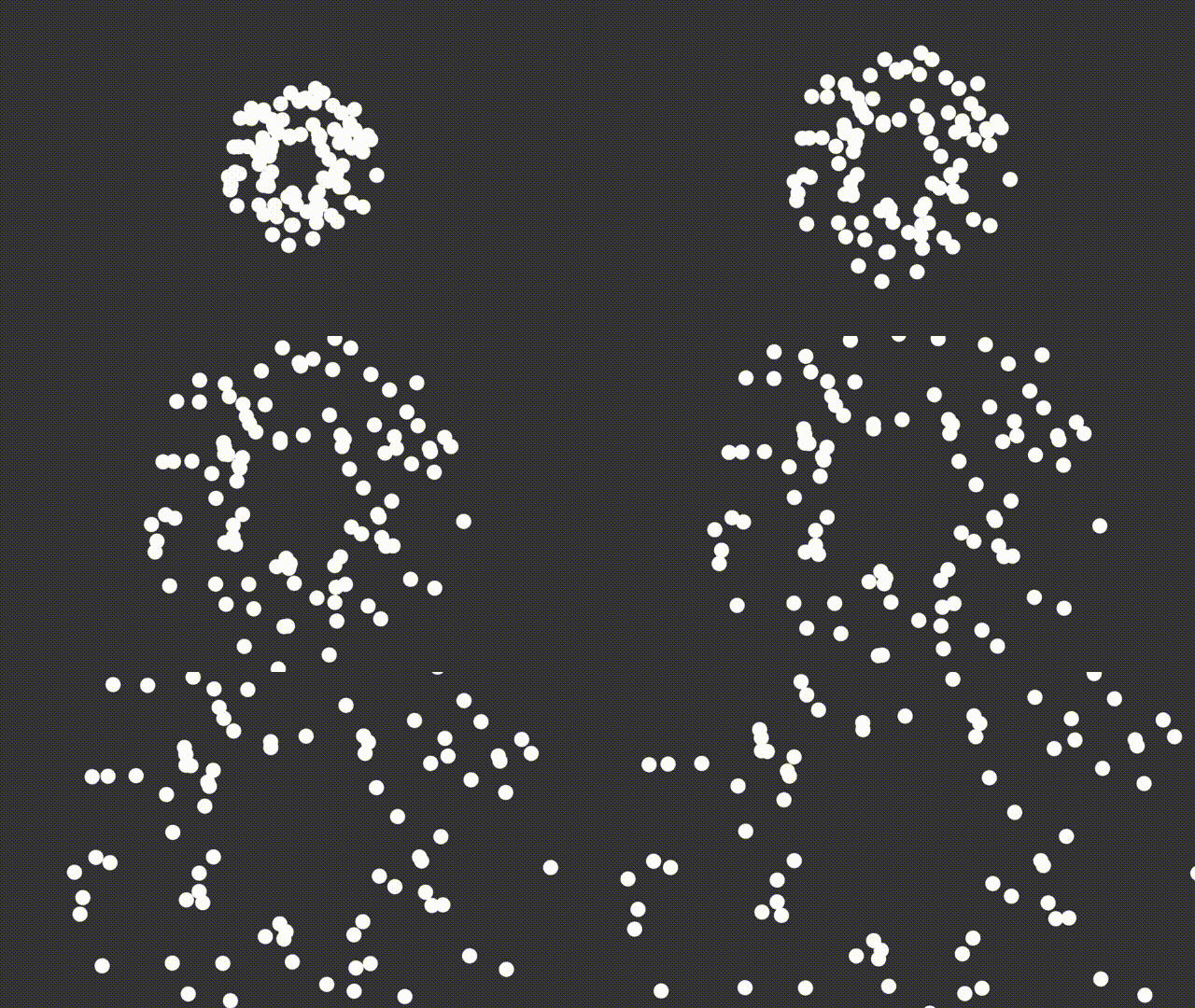
“对齐规则”的实现
“对齐”是三个规则中最简单的,所以我们先来实现它。
实现思路:我们以个体boid为中心,检测以它为圆心一定距离为半径的圆,计算这个圆里的所有其他个体(邻居)的平均速度,这个“平均速度”就是目标boid需要转向的目标速度,从而可以得到这个boid转到目标速度所需要的“转向力”。
 1
 2
 3
 4
 5
 6
 7
 8
 9
10
11
12
13
14
15
16
17
18
19
20
21
22
23
24
25
26
27
28
|
// boid.js

align(boids){
    let perceptionRadius = 50;        		// 检测半径为50像素的圆
    let steering = createVector();    		// boid待转向的速度
    let total = 0;                    		// 邻居数量
    for (let other of boids){
        let d = dist(this.position.x, this.position.y, other.position.x, other.position.y);
        if (other != this && d < perceptionRadius) {
            steering.add(other.velocity);   // 把邻居的速度加起来
            total++;
        }
    }

    if (total > 0){
        steering.div(total);                // 计算邻居们的平均速度(小群体的目标速度)
        steering.setMag(this.maxSpeed);     // 限制平均速度
        steering.sub(this.velocity);        // 二维向量计算:目标速度 - 当前boid速度 = 当前boid需要转向的速度
        steering.limit(this.maxForce);      // 将转向力限制在一定范围内
    }
    return steering;
}

flock(boids){
    let alignment = this.align(boids);
    this.acceleration = alignment;  // 将对齐行为的转向力赋值为当前加速度(假设质量为1)
    								// 力 = 加速度 * 质量,此处质量为1,所以加速度其实就是boid朝向目标朝向的转向力
}
|
再给集群加上“飞进飞出”的效果:
 1
 2
 3
 4
 5
 6
 7
 8
 9
10
11
12
13
14
|
// boid.js

edges(){
    if (this.position.x > width){
        this.position.x = 0;
    } else if (this.position.x < 0){
        this.position.x = width;
    }
    if (this.position.y > height){
        this.position.y = 0;
    } else if (this.position.y < 0){
        this.position.y = height;
    }
}
|
于是可以得到这样的“对齐”效果:
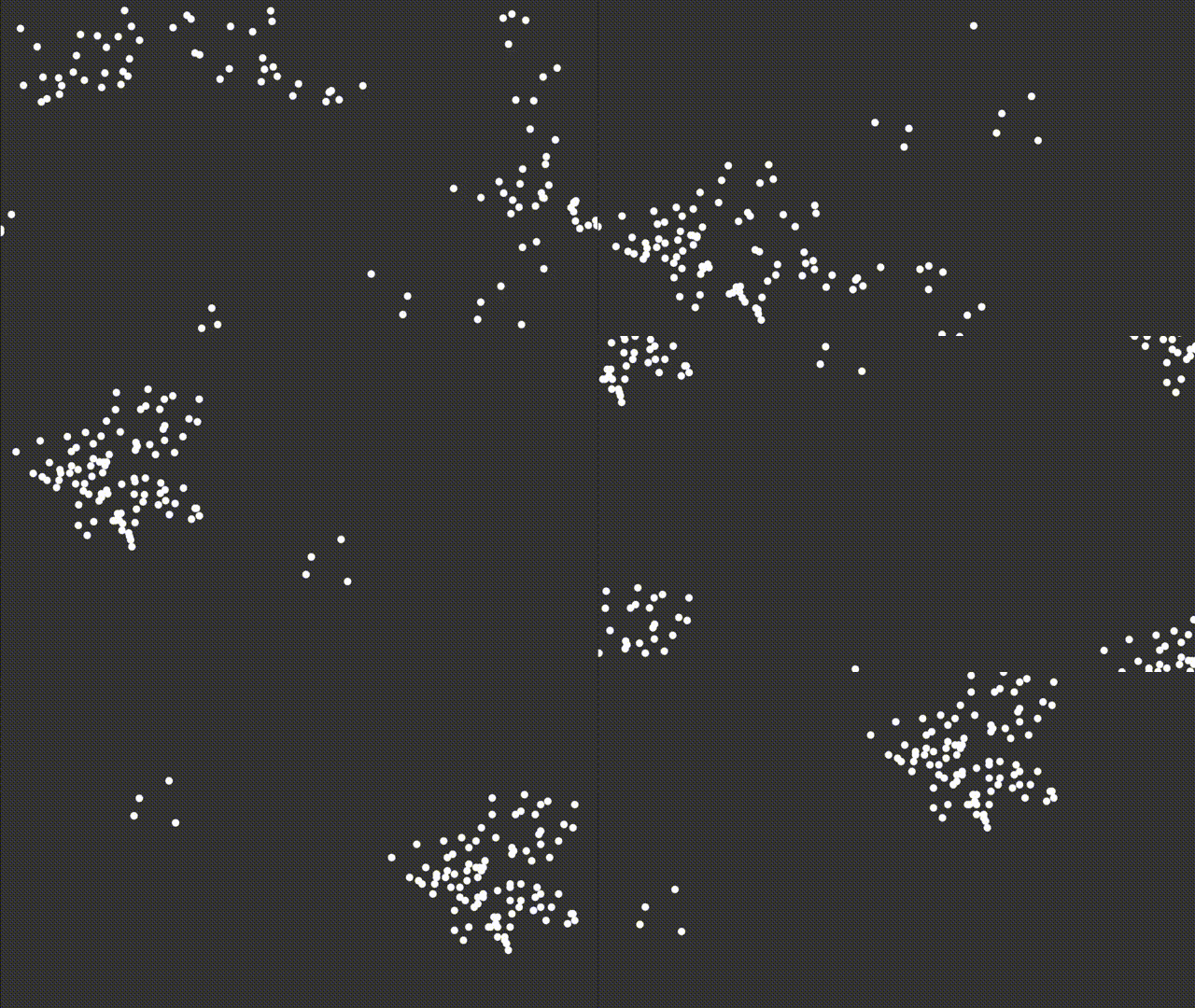
“聚集规则”的实现
这一规则的实现和“对齐规则”类似,只不过我们不需要邻居们的平均速度了,取而代之,需要邻居们的平均位置作为“目标位置”来进行实际的移动“
 1
 2
 3
 4
 5
 6
 7
 8
 9
10
11
12
13
14
15
16
17
18
19
20
21
22
|
cohesion(boids){
    let perceptionRadius = 50;
    let steering = createVector();
    let total = 0;
    for (let other of boids){
        let d = dist(this.position.x, this.position.y, other.position.x, other.position.y);
        if (other != this && d < perceptionRadius) {
            steering.add(other.position);     // 此处需要计算位置而非速度了
            total++;
        }
    }

    if (total > 0){
        steering.div(total);                // 计算邻居们的平均位置(目标位置)
        steering.sub(this.position);        // 目标位置 - 当前boid位置 = boid需要运动的位移
        steering.setMag(this.maxSpeed);     // 限制平均速度

        steering.sub(this.velocity);        // 二维向量计算:目标速度 - 当前boid速度 = 当前boid需要转向的速度
        steering.limit(this.maxForce);      // 将聚集力限制在一定范围内
    }
    return steering;
}
|
在”聚集规则“中,maxForce 不是特别重要,重要的是 perceptionRadius 的数值大小,决定了boid能够”看到多大范围“,从而产生聚集行为。
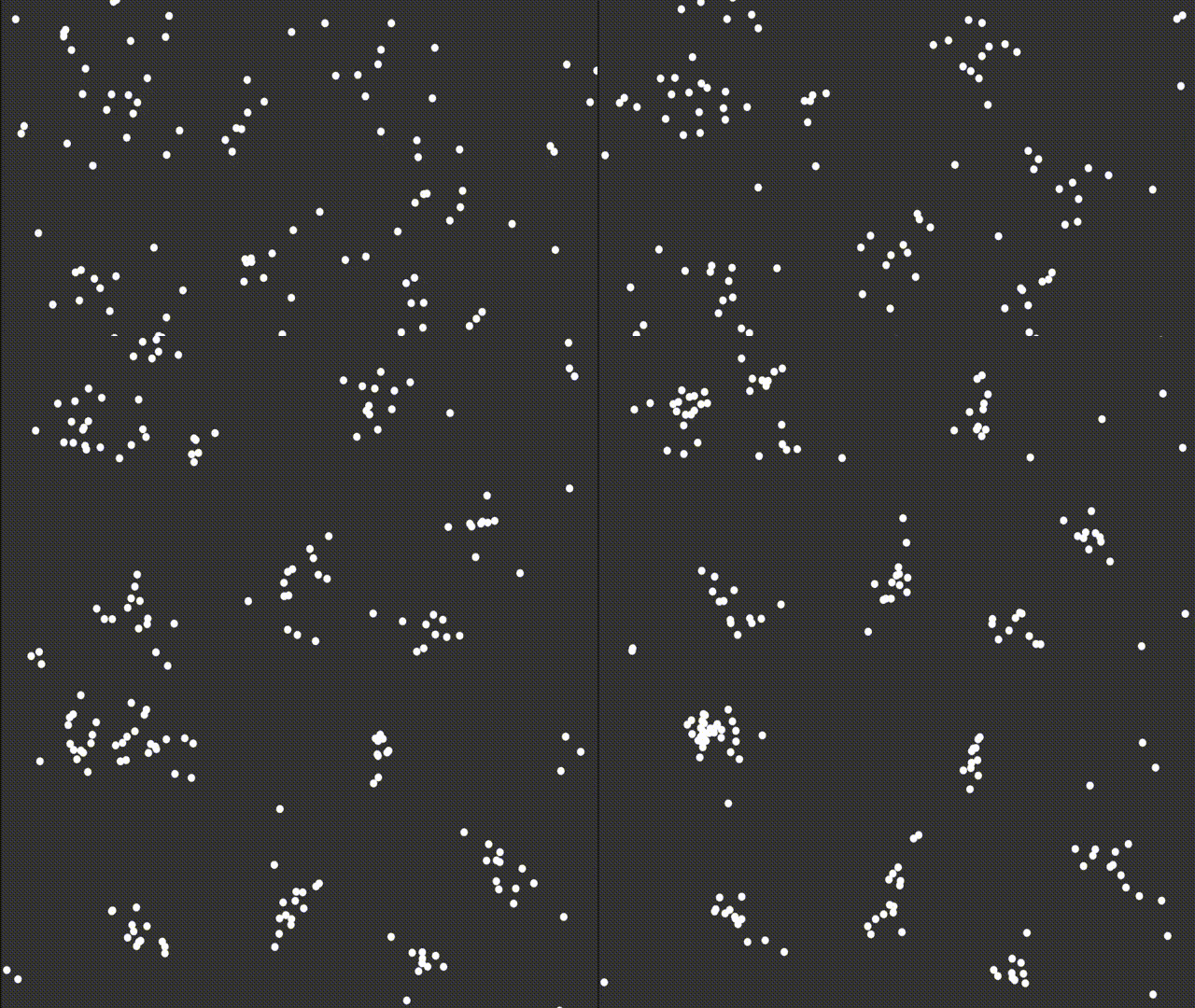
将两条规则结合起来也非常简单,使用初中物理知识:作用在一个物体上的作用力等于两个作用力之和。
 1
 2
 3
 4
 5
 6
 7
 8
 9
10
|
// boid.js

flock(boids){
    let alignment = this.align(boids);
    let cohesion = this.cohesion(boids);

    // 将两个力相加,得到共同作用力
    this.acceleration.add(alignment);
    this.acceleration.add(cohesion);
}
|
在两条规则的加持下,集群的运动轨迹目前是这样的:
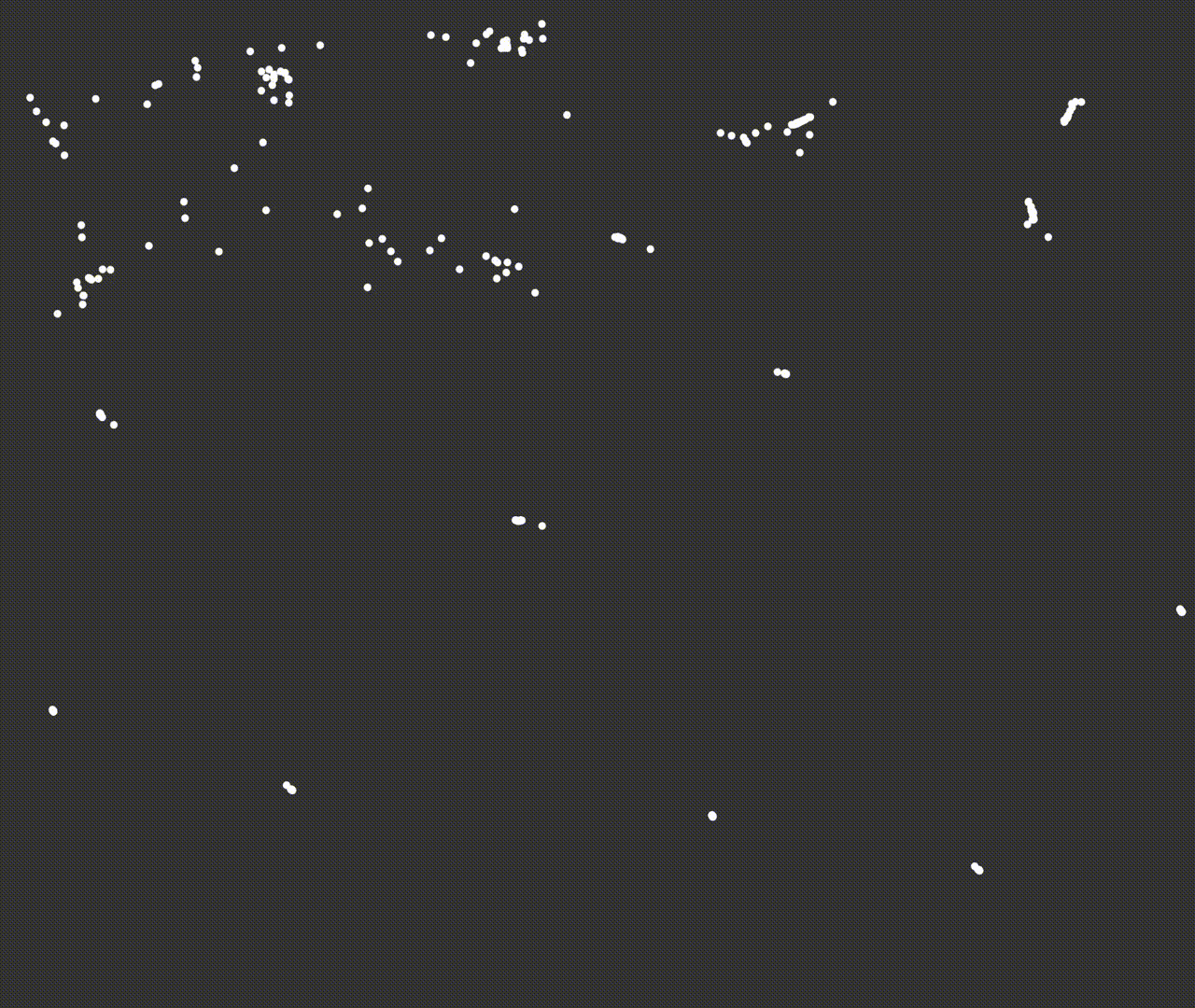
“分离规则”的实现
在分离规则下,我们可以这样得到boid想要的速度:
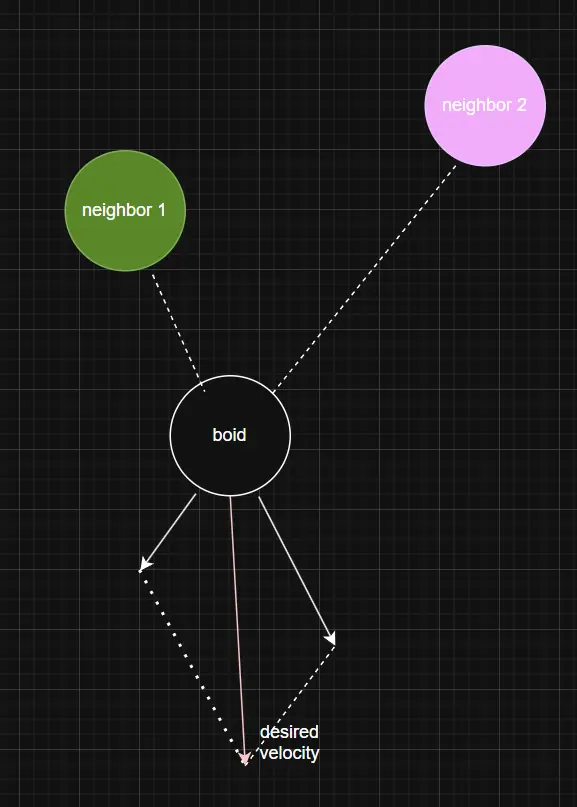
于是,separation 是 cohesion 的相反的过程,所以我们可以基于 cohesion 这样来写 separation:
 1
 2
 3
 4
 5
 6
 7
 8
 9
10
11
12
13
14
15
16
17
18
19
20
21
22
23
24
|
// boid.js

separation(boids){
   let perceptionRadius = 50;
   let steering = createVector();
   let total = 0;
   for (let other of boids){
       let d = dist(this.position.x, this.position.y, other.position.x, other.position.y);
       if (other != this && d < perceptionRadius) {
           let diff = p5.Vector.sub(this.position, other.position); // boid的位置-邻居的位置,得到boid想要的速度
           diff.div(d);  // 距离越远的邻居对boid产生的影响越小,距离越近影响越大
           steering.add(diff);
           total++;
       }
   }

   if (total > 0){
       steering.div(total);
       steering.setMag(this.maxSpeed);
       steering.sub(this.velocity);
       steering.limit(this.maxForce);
   }
   return steering;
}
|
最终得到“分离规则”的效果是这样的:
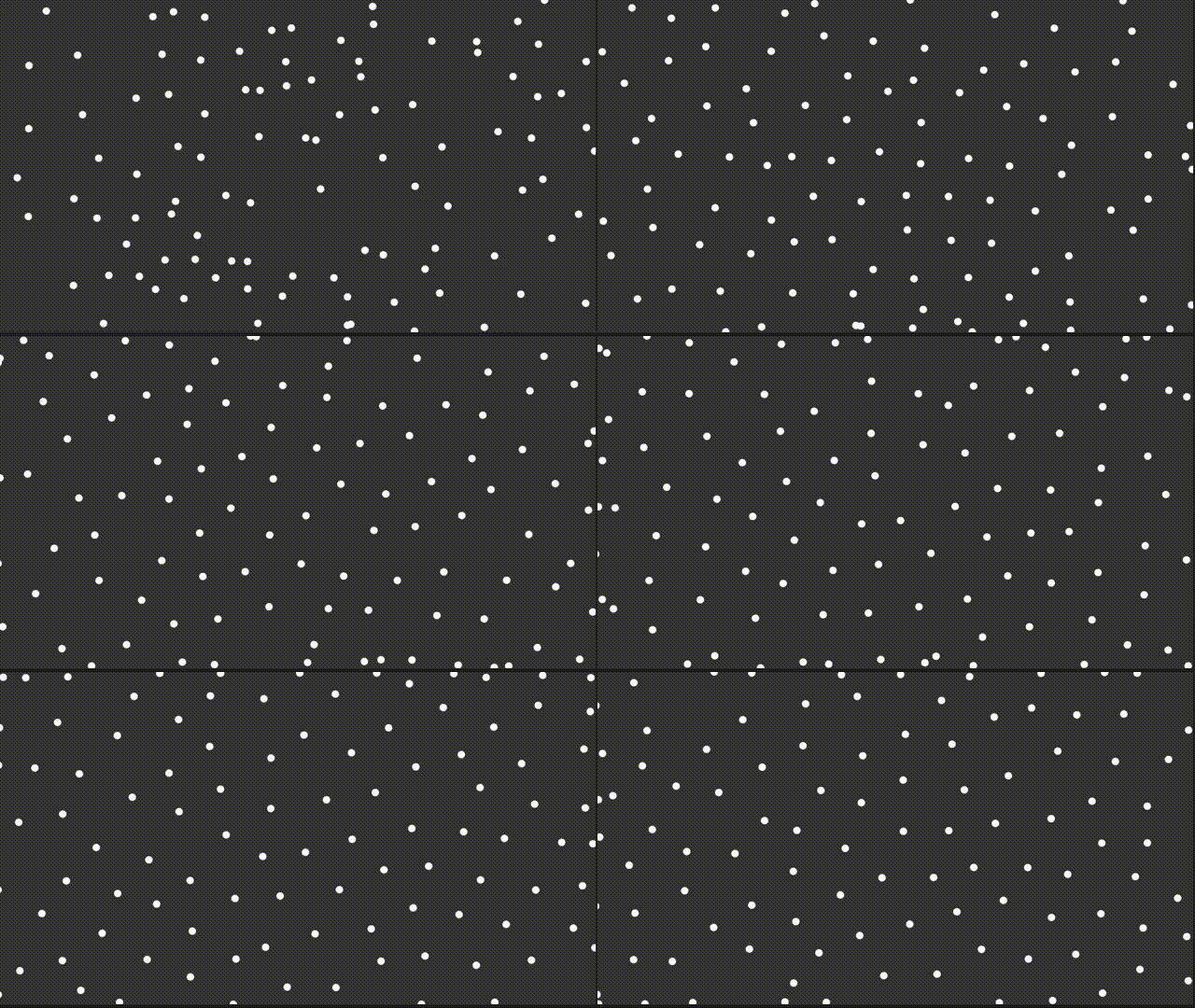
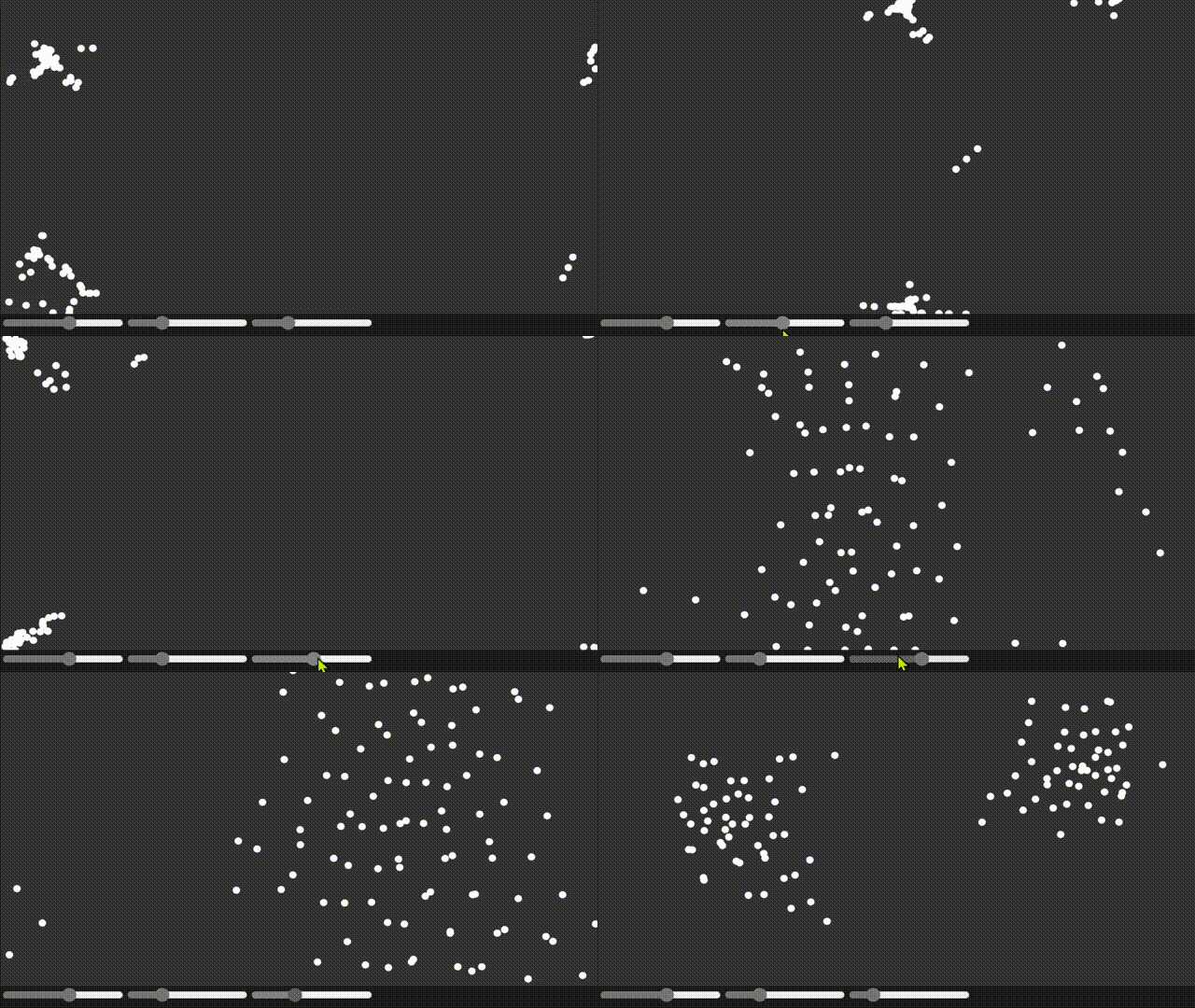
至此,简单版的boids算法已经实现,我们可以通过调节三条规则的权重来得到想要的集群行为:
完整源码
  1
  2
  3
  4
  5
  6
  7
  8
  9
 10
 11
 12
 13
 14
 15
 16
 17
 18
 19
 20
 21
 22
 23
 24
 25
 26
 27
 28
 29
 30
 31
 32
 33
 34
 35
 36
 37
 38
 39
 40
 41
 42
 43
 44
 45
 46
 47
 48
 49
 50
 51
 52
 53
 54
 55
 56
 57
 58
 59
 60
 61
 62
 63
 64
 65
 66
 67
 68
 69
 70
 71
 72
 73
 74
 75
 76
 77
 78
 79
 80
 81
 82
 83
 84
 85
 86
 87
 88
 89
 90
 91
 92
 93
 94
 95
 96
 97
 98
 99
100
101
102
103
104
105
106
107
108
109
110
111
112
113
114
115
116
117
118
119
120
121
122
123
124
125
126
|
// boid.js

class Boid
{
    constructor()
    {
        this.position = createVector(random(width), random(height));    // boid的初始位置
        this.velocity = p5.Vector.random2D();    // boid的速度
        this.velocity.setMag(random(0.5, 2))     // 设置flock中每个boid的速度不同
        this.acceleration = createVector();      // boid的加速度
        this.maxForce = 0.2;                     // boid的最大转向力
        this.maxSpeed = 2;                       // boid的最大速度
    }

    // 在屏幕上显示“飞进飞出”的效果
    edges(){
        if (this.position.x > width){
            this.position.x = 0;
        } else if (this.position.x < 0){
            this.position.x = width;
        }
        if (this.position.y > height){
            this.position.y = 0;
        } else if (this.position.y < 0){
            this.position.y = height;
        }
    }

    align(boids){
        let perceptionRadius = 50;        		// 检测半径为50像素的圆
        let steering = createVector();    		// boid待转向的速度
        let total = 0;                    	    // 邻居数量
        for (let other of boids){
            let d = dist(this.position.x, this.position.y, other.position.x, other.position.y);
            if (other != this && d < perceptionRadius) {
                steering.add(other.velocity);   // 把邻居的速度加起来
                total++;
            }
        }

        if (total > 0){
            steering.div(total);                // 计算邻居们的平均速度(小群体的目标速度)
            steering.setMag(this.maxSpeed);     // 限制平均速度
            steering.sub(this.velocity);        // 二维向量计算:目标速度 - 当前boid速度 = 当前boid需要转向的速度
            steering.limit(this.maxForce);      // 将转向力限制在一定范围内
        }
        return steering;
    }

    cohesion(boids){
        let perceptionRadius = 100;
        let steering = createVector();
        let total = 0;
        for (let other of boids){
            let d = dist(this.position.x, this.position.y, other.position.x, other.position.y);
            if (other != this && d < perceptionRadius) {
                steering.add(other.position);   // 此处需要计算位置而非速度了
                total++;
            }
        }

        if (total > 0){
            steering.div(total);                // 计算邻居们的平均位置(目标位置)
            steering.sub(this.position);        // 目标位置 - 当前boid位置 = boid需要运动的位移
            steering.setMag(this.maxSpeed);     // 限制平均速度

            steering.sub(this.velocity);        // 二维向量计算:目标速度 - 当前boid速度 = 当前boid需要转向的速度
            steering.limit(this.maxForce);      // 将聚集力限制在一定范围内
        }
        return steering;
    }

    separation(boids){
        let perceptionRadius = 50;
        let steering = createVector();
        let total = 0;
        for (let other of boids){
            let d = dist(this.position.x, this.position.y, other.position.x, other.position.y);
            if (other != this && d < perceptionRadius) {
                let diff = p5.Vector.sub(this.position, other.position); // boid的位置-邻居的位置,得到boid想要的速度
                diff.div(d);  // 距离越远的邻居对boid产生的影响越小,距离越近影响越大
                steering.add(diff);
                total++;
            }
        }

        if (total > 0){
            steering.div(total);
            steering.setMag(this.maxSpeed);
            steering.sub(this.velocity);
            steering.limit(this.maxForce);
        }
        return steering;
    }

    flock(boids){
        let alignment = this.align(boids);
        let cohesion = this.cohesion(boids);
        let separation = this.separation(boids);

        // 设置规则权重
        alignment.mult(alignSlider.value());
        cohesion.mult(cohesionSlider.value());
        separation.mult(separationSlider.value());

        // 将两个力相加,得到共同作用力
        this.acceleration.add(alignment);
        this.acceleration.add(cohesion);
        this.acceleration.add(separation);
    }

    update(){
        this.position.add(this.velocity);
        this.velocity.add(this.acceleration);
        this.velocity.limit(this.maxSpeed);

        this.acceleration.set(0, 0);          // 重置加速度(不让加速度越来越快)
    }

    show()
    {
        strokeWeight(8);
        stroke(255);
        point(this.position.x, this.position.y);
    }
}
|
 1
 2
 3
 4
 5
 6
 7
 8
 9
10
11
12
13
14
15
16
17
18
19
20
21
22
23
24
25
26
|
// sketch.js

const flock = [];

let alignSlider, cohesionSlider, separationSlider

function setup() {
    createCanvas(640, 360);
    alignSlider = createSlider(0, 5, 1, 0.1);
    cohesionSlider = createSlider(0, 5, 1, 0.1);
    separationSlider = createSlider(0, 5, 1, 0.1);
    for (let i = 0; i < 100; i++){
        flock.push(new Boid());
    }
}

function draw() {
    background(51);

    for (let boid of flock){
        boid.edges();
        boid.flock(flock);
        boid.show();
        boid.update();
    }
}
|